


Question- How do I choose Polarized Sunglasses?
This question is about lens color choice:
"What is the best type of lenses for the different water (i.e. Ocean, gulf, rivers, Indian River Lagoon system).
Thanks,
Dave
Titusville, Fla"
Answer:
Thanks for your question, Dave. This is another very common question so I will answer it here on the blog in hopes that others can benefit as well.
We do a lot of fishing in different conditions. Inshore, offshore, cloudy, sunny, early, late and midday conditions all offer challenges to be able to see the fish, bait or bottom structure that we are trying to see.
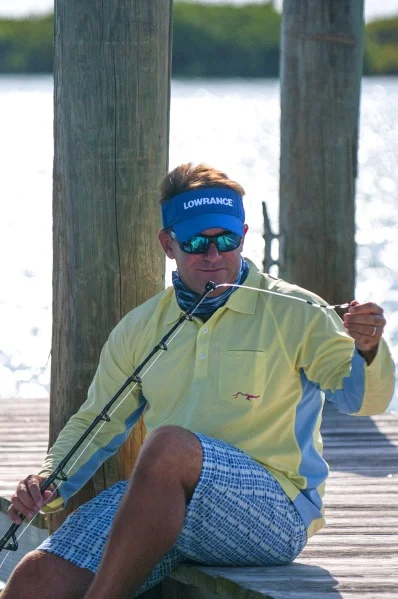
There are specialty lenses for each, but I cant really be changing glasses every time the conditions change. I first look for a company that stand behind their products and offers both the lenses I like and enough frame styles so that I can find what is comfortable for me. Costa has been very good to me and has stood behind every product, and they also are funding a permit tagging study which is a really big deal to me. The permit is my favorite fish and the fact that Costa is concerned about their survival and doing something to make sure they thrive is enough to make me a Costa customer for life.
I like a lens that is copper or amber based for every day fishing. Different shades of mirror can be put on lenses to change the look, but I like to start with a copper.
Most of my fishing is inshore and I feel that this lens color is the best and most comfortable for me.
I suggest going to a Bass Pro Shops, where they have tons of frame choices and you can actually try on one after another and really find out which fits you best. Then go with your lens color choice.
The last choice is plastic or glass. Ask around and you will find people that are passionate about one or the other. Personally, I am a plastic lens guy. I have been hit in the face with jigs, flies, lures and rod tips. When I go fishing, I do not take off my glasses. The first rule I made for my kids was that they HAD to wear sunglasses at all times while fishing. I have just seen potential eye injury way too many times, really, on a daily basis. I choose plastic because I feel that they protect my eyes better than glass but this is only my opinion. Costa's plastic lens is called the 580P and I highly recommend it.
Here is a Tips From the Pros video we did on this same topic.
I hope my answer helps!
Tom Rowland
Saltwater Experience
If you have questions, send me an email directly at Tom@saltwaterexperience.com or use our "Ask Us A Question" form

To properly cinch down 80 pound mono, you are definitely going to need pliers. I really dont know if I could cinch down an 80 pound 4 turn uni with my bare hands and would probably not get it quite right with gloves on either.
The Bimini Twist one of the more difficult knots, but is commonly over complicated by many anglers. Hopefully this video will help you learn how to tie it...

The J Knot was taught to me by Dave Justice and has been a standby in my fishing ever since. It is a simple knot, really, that combines the best of 2 knots to create a strong, reliable and quick knot for fluorocarbon to braid...
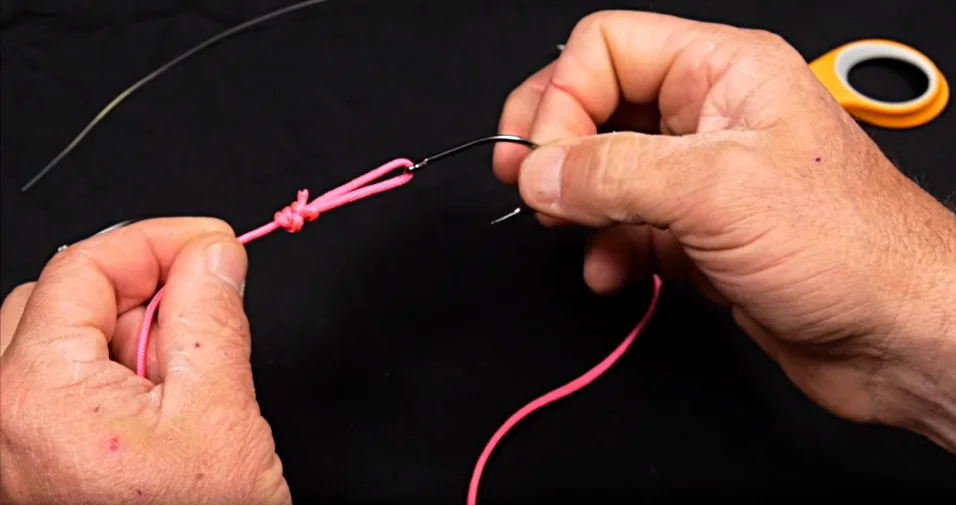
Tom Rowland give step by step instructions for tying the Non Slip Mono Loop Knot. Watch and learn..

The three knots are the Bowline (click here for video) , Trucker's Hitch and Half Hitch. With these knots you can secure anything for transport in a way that creates a mechanical advantage and truly secures your boat, cooler, bed, couch or whatever you are moving...
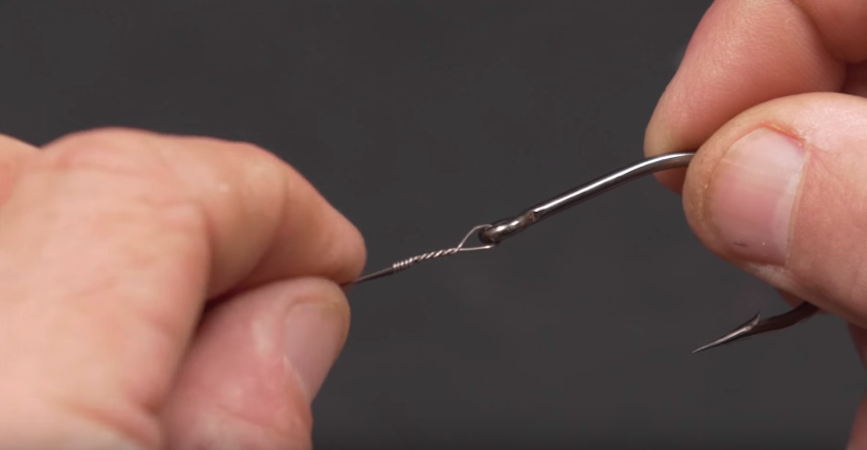
We go after a lot of fish with teeth down here in the Keys. So it's important to use wire so you don't get cut off. Here's how to tie the Haywire Twist using simple wire.
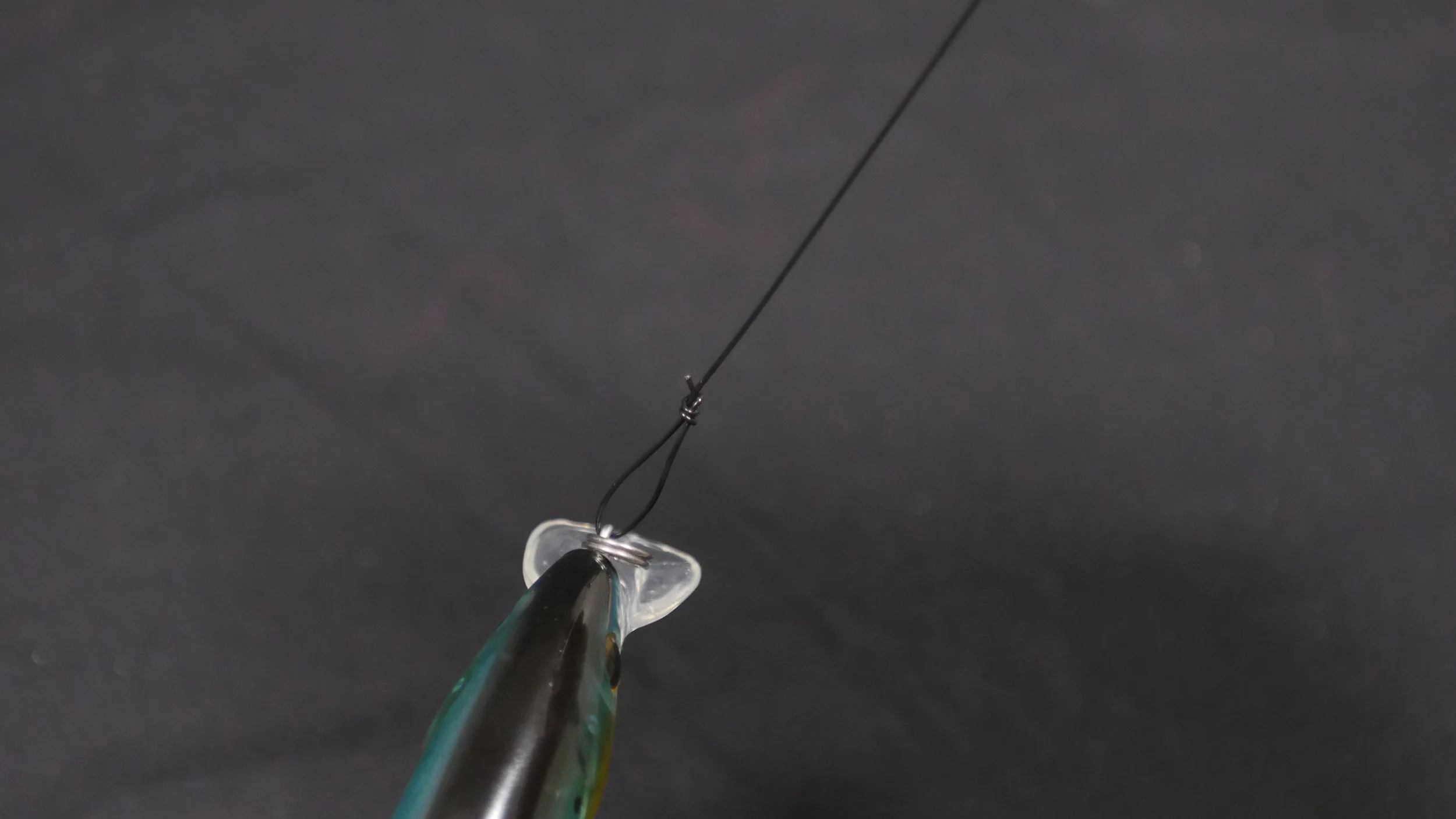
Need a simple loop knot for heavy leaders? The Homer Rhode is a great choice for this application.
I also use the Home Rhode as a loop knot for braided, coated wire...
![How To Tie The Bimini Twist [VIDEO]](https://images.squarespace-cdn.com/content/v1/547dd399e4b036ff1df2f4b0/1450122545708-D911L7ZKAGN7BBLH45ON/image-asset.png)
Tom Rowland gives step by step instructions for tying the Bimini Twist, which is designed to double the line over so that another knot can be tied with two strands of line rather than with just one.
![How To Tie The Sheet Bend Knot [VIDEO]](https://images.squarespace-cdn.com/content/v1/547dd399e4b036ff1df2f4b0/1482254636781-VGFT7BXYJQ6N0LYHZNTO/Screen+Shot+2016-12-20+at+12.23.32+PM.png)
Whether it is towing, or simply needing to tie 2 lines together, the Sheet Bend is an excellentknot to be able to handle significant stress but also be able to untie after the load has been put on the lines.

The Palomar knot is an excellent knot to attach a hook, swivel or lure to the end of the line. Bass fishermen have used this knot for a very long time and saltwater fishermen have also taken note...
![How To Tie The TR Knot for Braid to Fluorocarbon [VIDEO]](https://images.squarespace-cdn.com/content/v1/547dd399e4b036ff1df2f4b0/1447344936181-HCZD31CQI6RKGGTPTZ61/image-asset.jpeg)
The TR knot is a hybrid knot that takes the best qualities of the FG/Sebile/Delph knot and combines them with the Uni Knot. I came up with this knot because I really liked the FG/Sebile/Delph knot, but it would not work well with some brands of braid combined with some brands of fluorocarbon. When the FG knot is able to grab, it is the strongest connection, in my opinion, but I experienced some frustration with a few brands and finishes.
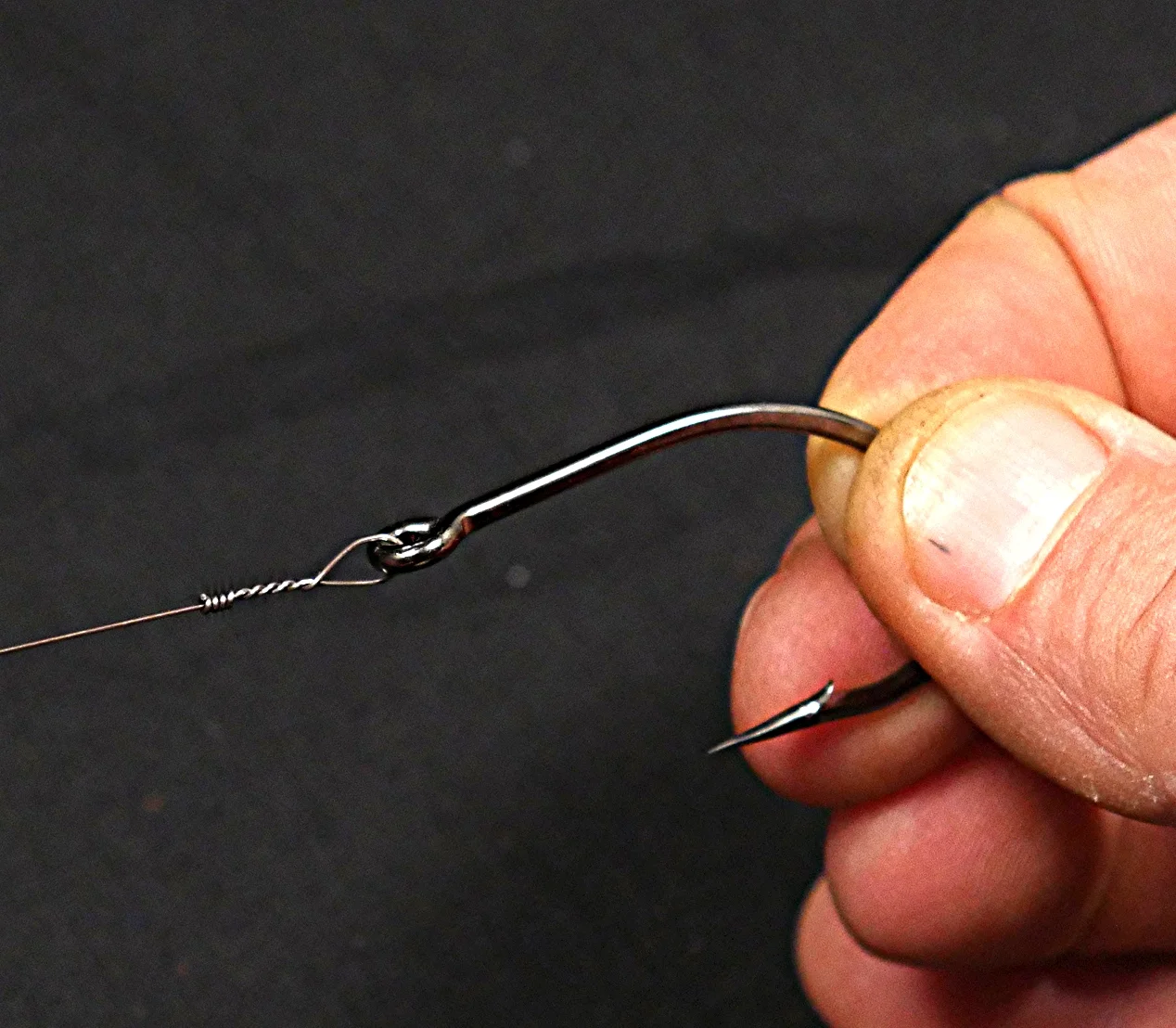
The Haywire can be tied to the hook and also at the top of the leader to a swivel if your fishing situation requires it. I often use a swivel when shark fishing with dead bait because it sometimes spins in the current...

However, there is one knot that can take you from Bluegill to Blue Marlin and handle just about every situation easily....

To catch the most tarpon it is important to pay attention to the details. Having a knot that makes the fly swim unnaturally can result in less bites and getting fewer tarpon to the boat. Let's take a look at three of the most commonly used loop knots for tarpon.

I really use about 6 knots to attach braid to either Fluorocarbon or Monofiliment leaders. Here are my favorites:
#1 The J Knot- This is my Go-To knot for most quick leader ties. I have a lot of confidence in this one.
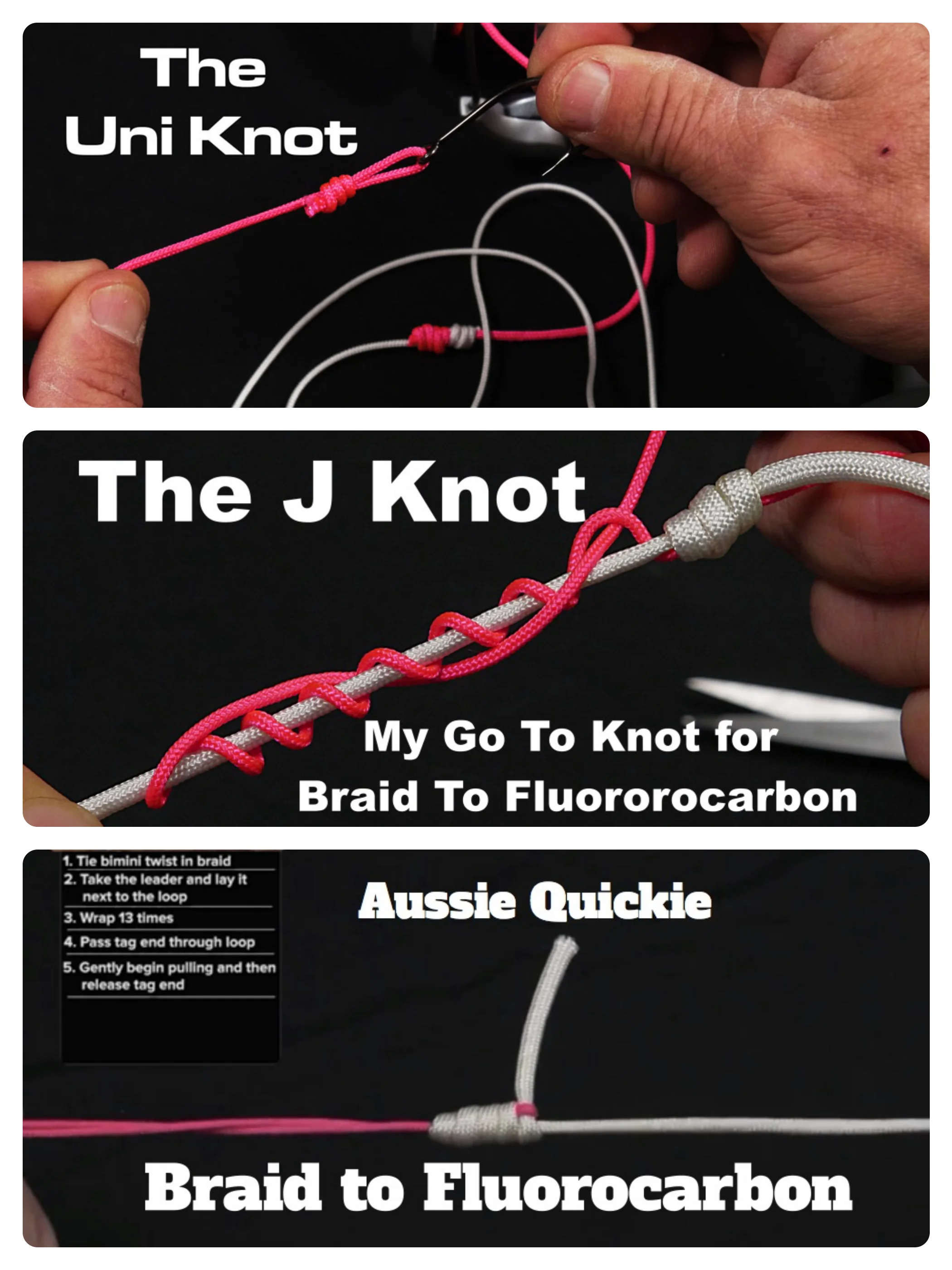
Here are my top 3 braided line to fluorocarbon or monofiliment knots. They are all easily tied and you can learn them in just a couple of minutes.

Not all boat lifts are built the same. Discover how Golden Boat Lifts revolutionized marine lift design with side-mounted motors and a game-changing drill-less bunk system.

Open 365 days a year, the Laura Quinn Wild Bird Sanctuary rescues and rehabilitates over 1,000 birds annually. Nestled on a seven-acre easement near Everglades National Park, this sanctuary offers a front-row seat to healing, conservation, and breathtaking sunsets.

Don’t overlook binoculars on your boat. Compact, waterproof, fog-proof 10×40s like the Nikon Monarch dramatically improve your ability to spot fish early—especially at dawn and dusk.

Create custom Lowrance HDS layouts that show only the essential info you need—chart, sonar, engines, radar—optimized for efficiency and ease on the water.

Learn how a custom-fit trailer—like those from Ameratrail—makes launching and loading easier, safer, and more consistent, even in windy conditions. Discover pro tips on finding the perfect trailer depth and setup for your boat.

Golden Boat Lifts’ cordless drill override saved the day after Hurricane Ian. Learn how this feature can keep your boat accessible when everything else is shut down.

Reflex Marine Decking: stain-proof and cushioned boat flooring that stays cool and flexible for hardcore anglers. Your boat deserves this upgrade.

Explore Mote Marine’s innovative coral nursery in the Keys—where micro-fragmentation supercharges coral growth and rebuilds degraded reefs to support marine ecosystems.
Learn how to tie the FG knot, the go-to choice for big fish. See it in action catching Goliath Grouper and Sharks, and explore the exact Daiwa rods and reels we trust offshore.
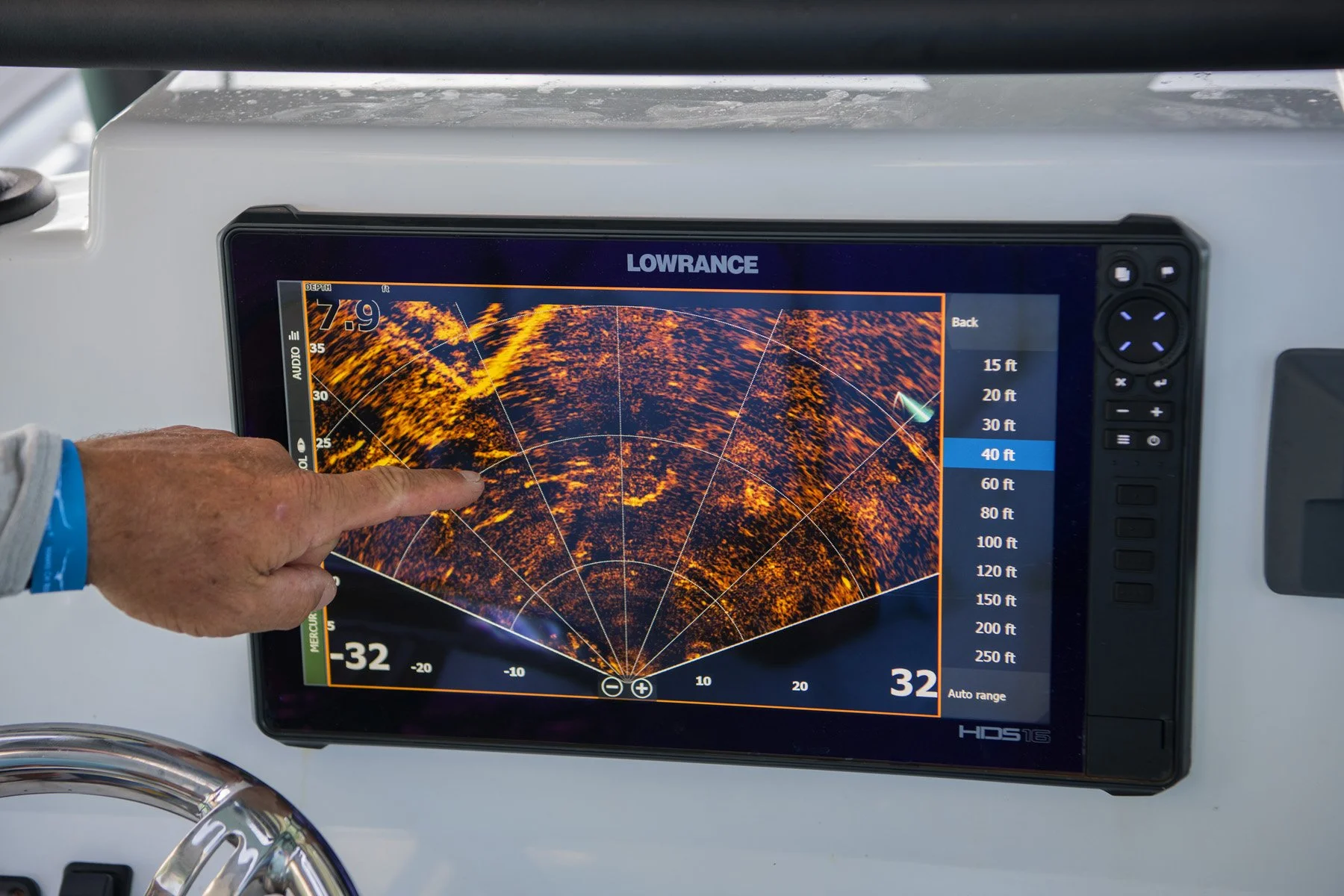
Discover the power of a Lowrance multifunction display—perfect for routing, tide/current intelligence, fishing, and boat performance tracking.
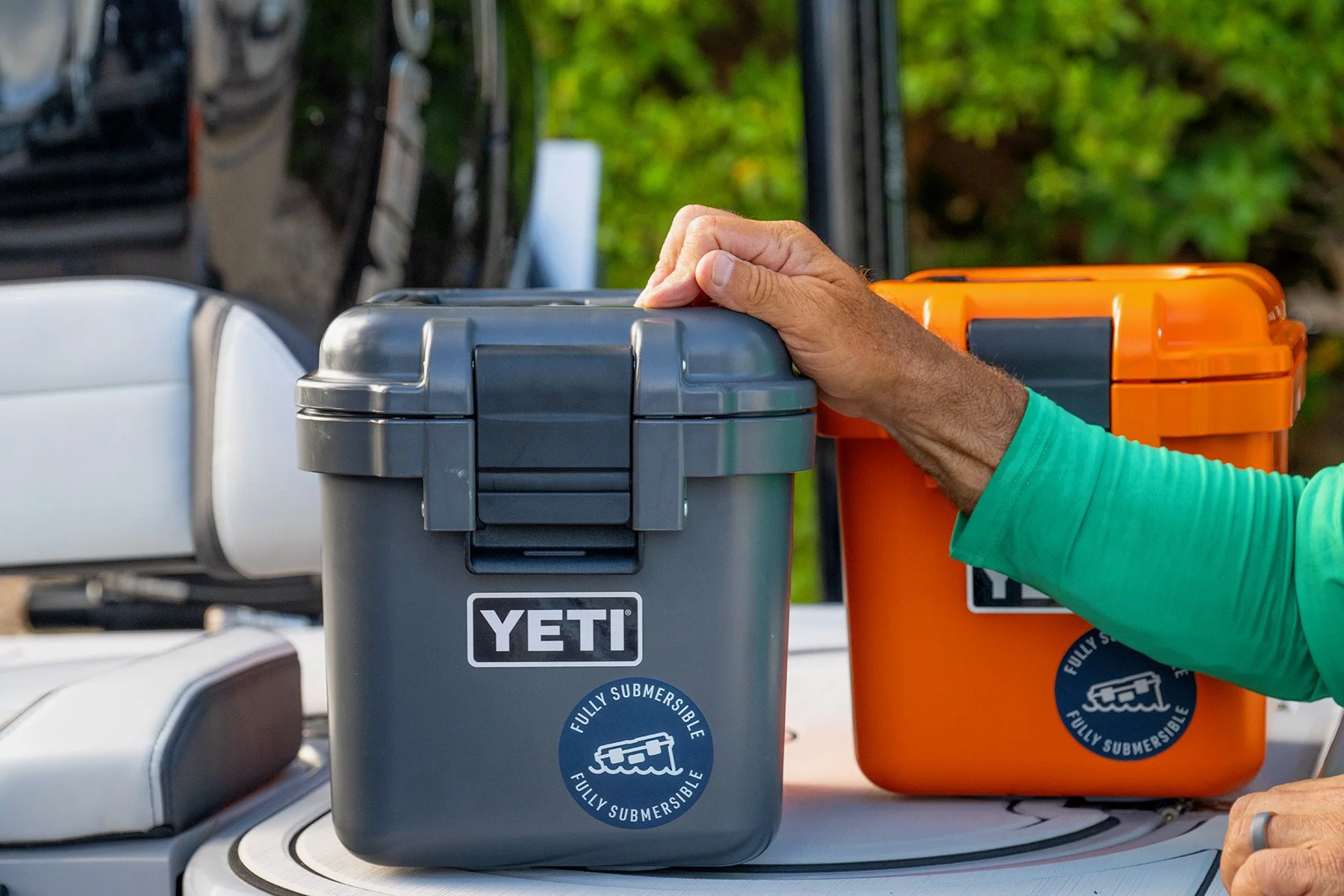
The YETI LoadOut GoBox 15 is a must-have for saltwater anglers. Tom Rowland shares his personal system for staying safe and organized offshore and keeping everything perfectly waterproof.

Tired of anchoring in rough conditions? Learn how switching to a Power‑Pole Move trolling motor with a 72″ shaft transformed our setup—quick install, deep-water positioning, and easy remote pairing.

Bonefish, permit, and tarpon all in one day. Watch Tom Rowland, Rich Tudor, and Captain Nick Labadie land a Grand Slam in Big Pine Key using Daiwa TD Sol Inshore rods, BG MQ spinning reels, and J-Braid. See why this Daiwa saltwater setup dominates Florida Keys flats fishing.
If you enjoyed this post, please share on social media by clicking the share button below and selecting your favorite social platform
The Clinch knot is definitely a knot you need to know. I know a lot of knots and still find myself tying a good, old fashioned Clinch Knot in many situations. The real key to making sure you tie it correctly is to inspect it and make sure that the barrels are stacked, not hopping over one another.